
Field Notes · The Running Column
So way back when I was in my twenties (not that long ago, I swear), I was convinced runners had a secret club I wasn’t part of. They knew the right strides, the right clothes, the right shoes. They’d all started in high school. Me? I hadn’t played sports or joined clubs. I’d been too shy to put myself out there, and now I was certain everyone else knew rules I’d somehow missed.
Before I could call myself a runner, I thought I needed to know what only the real runners knew and do what real runners did. Real runners got up at 5:30 every morning, grabbed their headphones, and headed out in cute little outfits.
Apparently, I misunderstood the assignment.
When I finally decided that I was going to run even if I had to build my own secret runners club for people who don’t run good, I bought my first pair of running shoes—although I was still fearful that a small group of runners might find me and give me a wedgie because I wasn’t a real runner.
I might as well have shown up to my first running club wearing Groucho glasses and a name tag that said “Real Runner.” What they actually explained was that people who run are runners, whether they’re fast, slow, or still figuring it out. The alias and disguise were unnecessary.
To be a runner, one only has to run.
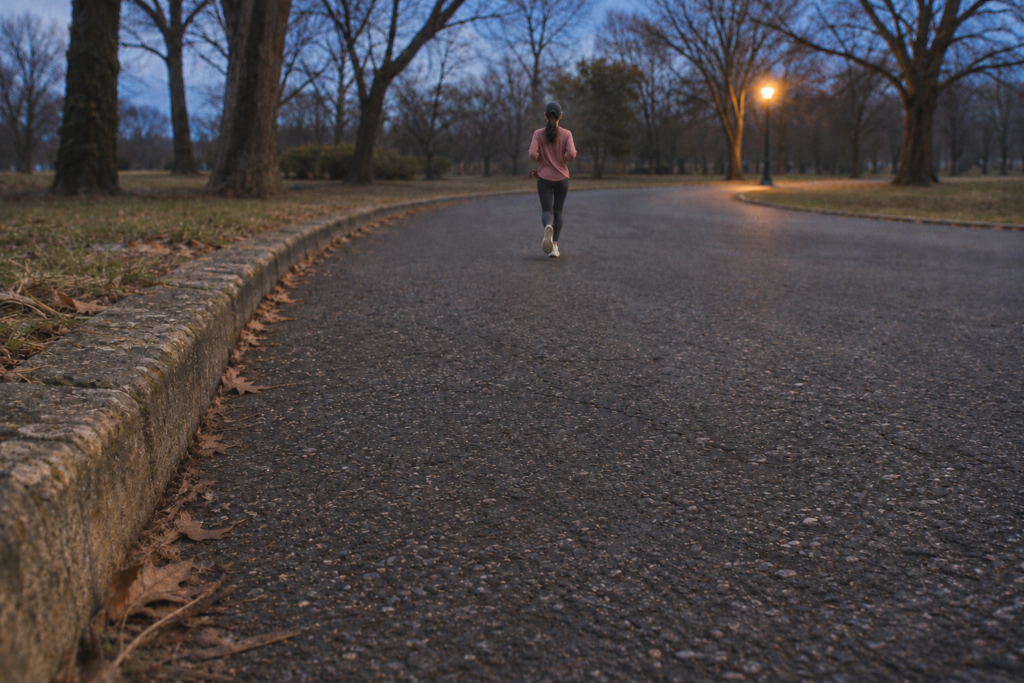
Which would have been helpful information before I began running in the dark, alone, at night because I didn’t want anyone to see me trying.
Zero out of ten. Would not recommend.
A few things I wish I’d known
Starting with the breathing. As I ran more, paying attention to my breaths gave me something useful to focus on. I could notice how hard I was working instead of spending the whole run wondering how ridiculous I looked.
Another thing I wish I’d known: “run until you can’t anymore” is a terrible plan for someone who already thinks running requires an alias and a disguise.
(Stop looking at me like that.)
Give yourself a small target. A short stretch of running with a walk afterward. A manageable amount of time or distance you can come back and try again. Then you have something to compare besides how thoroughly exhausted you managed to make yourself.
A small finish line can make starting feel less intimidating. And the target is adjustable. Breathing harder and feeling yourself work are part of exercise. Pain, worsening discomfort, or changing your stride to protect a sore spot are reasons to stop. If you’re unsure what you’re feeling, stop and reassess. You can try again another day.
The goal is to build toward your next run. Give yourself a reason to come back.